
Wiring Homes for Long-Term Function
Residential New Construction and Remodels in Fond du Lac for homeowners building new or updating existing electrical systems during renovations
Wisconsin winters stress electrical systems through heating loads, while summer air conditioning and dehumidification add demand that older wiring wasn't designed to handle. Cornerstone Electrical Services, LLC installs complete electrical systems in new home construction and updates wiring during remodel projects across Fond du Lac. New builds allow electrical planning from the start, positioning outlets and lighting to match floor plans and ensuring adequate circuit capacity for modern appliances. Remodels involve integrating new circuits into existing systems, often while working around finished spaces that remain occupied during construction.
The process begins with reviewing plans to determine panel size, circuit layout, and locations for outlets, switches, and fixtures. Rough-in wiring happens after framing and before insulation, and trim-out follows drywall finishing. Code requires specific outlet spacing, dedicated circuits for kitchen and laundry appliances, GFCI and AFCI protection in designated areas, and proper grounding throughout.
Discuss new build or remodel electrical needs to coordinate planning and installation with your construction schedule.
The Difference Between Code-Minimum and Practical Installation
Code establishes safety minimums for outlet spacing and circuit protection, but practical electrical systems go further by adding outlets where furniture will likely sit, positioning switches for logical traffic flow, and installing dedicated circuits for areas where homeowners plug in multiple devices. Kitchen islands benefit from outlets that don't interrupt countertop workspace, and home offices need sufficient circuit capacity to avoid overloading receptacles with computers and equipment.
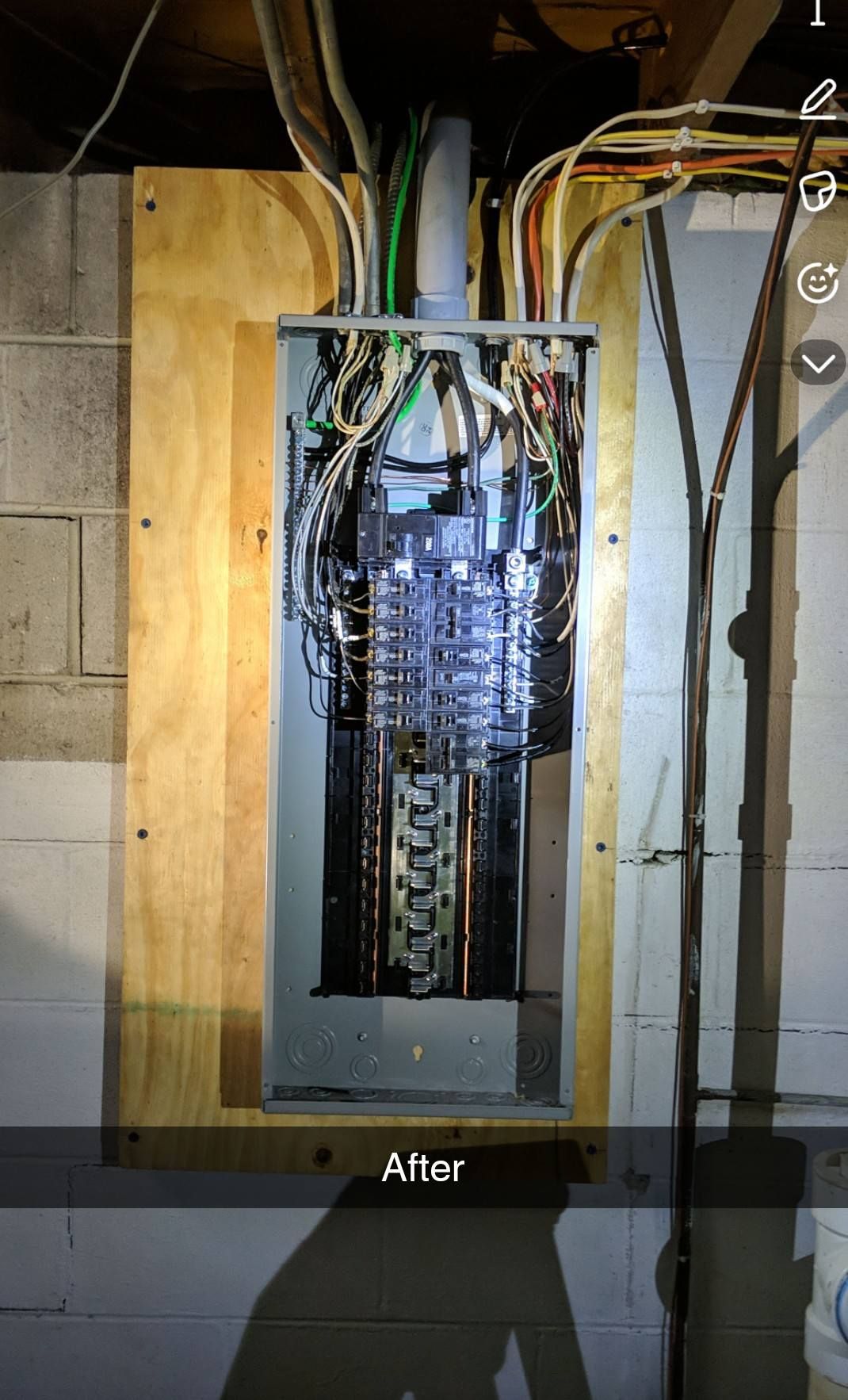
After installation completes, rooms have convenient outlet access without relying on extension cords, lighting switches are positioned where you naturally reach when entering spaces, and appliances operate on properly sized circuits that won't trip during normal use. Panel labeling identifies which breaker controls each area, making future troubleshooting and modifications straightforward.
Remodel electrical work sometimes uncovers wiring that needs replacement rather than extension—knob-and-tube systems, deteriorated insulation, or circuits loaded beyond their rated capacity. Bringing these sections up to code during the remodel prevents future failures and reduces risk in areas that would otherwise remain hidden behind finished walls.
Homeowners building or remodeling ask practical questions about electrical planning and what the installation process involves.
Common Questions About This Service
How many outlets should each room have in new construction?
Code requires outlets spaced so no point along a wall is more than six feet from a receptacle, but adding extra outlets in areas where lamps, chargers, and electronics will likely be used improves convenience without requiring extension cords later.
What happens during the rough-in phase of residential electrical work?
Electricians run cable through wall and ceiling cavities, install junction boxes for outlets and fixtures, position panels and disconnect switches, and leave wiring accessible for inspection before insulation and drywall cover the work.
When should homeowners finalize lighting and outlet locations?
Decisions made before rough-in begins avoid change orders that require cutting walls or running surface conduit, so reviewing plans while framing is visible allows adjustments before drywall installation locks locations in place.
Why do remodel electrical projects sometimes cost more than expected?
Opening walls often reveals outdated wiring that needs replacement, undersized panels that require upgrading, or code violations that must be corrected, adding scope beyond the originally planned circuit additions or fixture relocations.
What considerations matter for residential electrical systems in Fond du Lac?
Homes with electric heat or air conditioning need adequate service capacity to handle HVAC loads, and planning for potential future additions like EV chargers or workshop equipment prevents needing another service upgrade later.
Residential electrical systems perform reliably when planned around how homeowners actually use their spaces and built with quality materials and workmanship. Cornerstone Electrical Services, LLC works with builders and homeowners throughout construction and remodel projects to deliver electrical installations that support long-term function. Schedule a consultation to review your project plans and outline the electrical work required.