
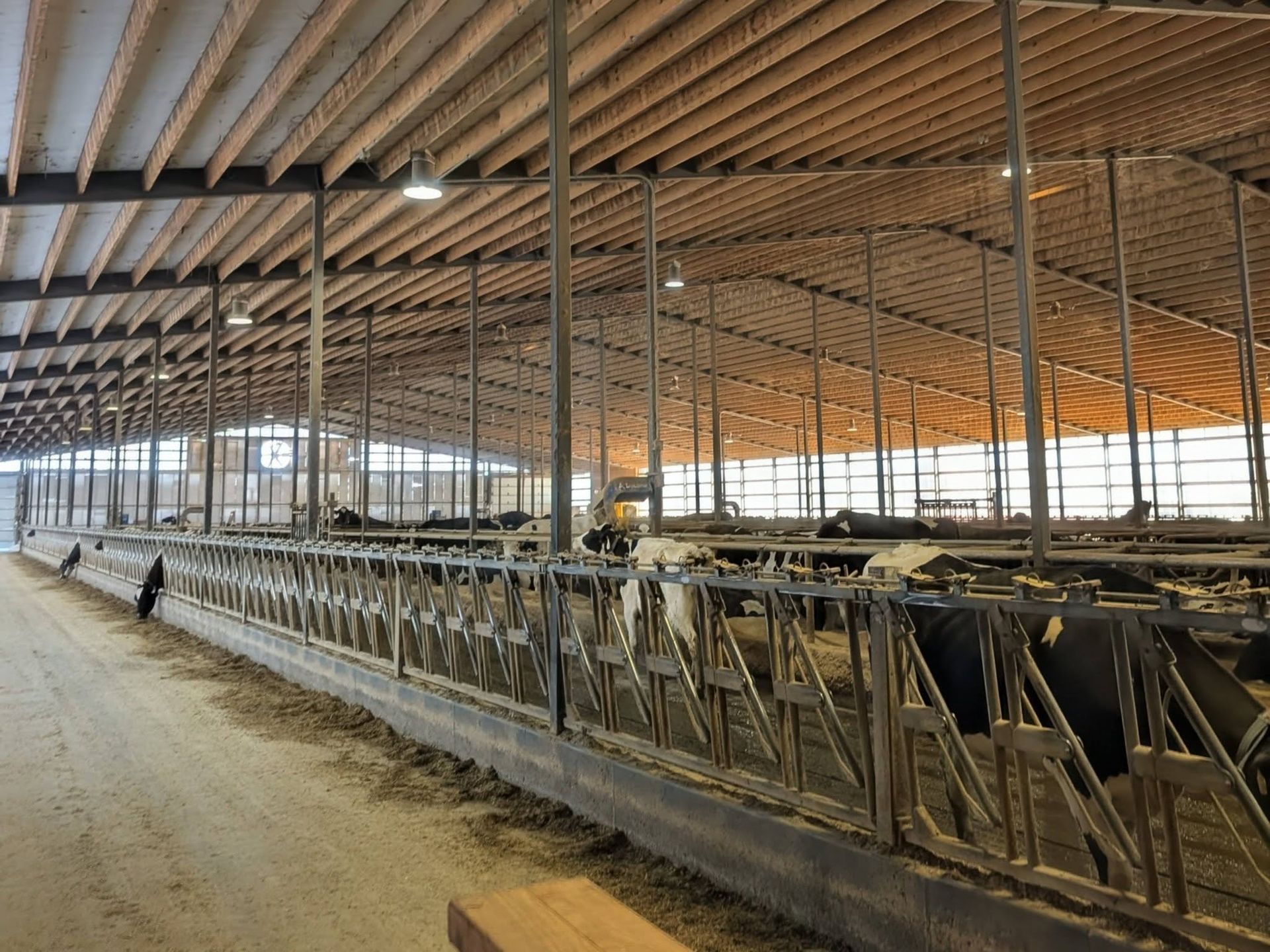
Electrical Infrastructure Built for Barn Growth
Free stall barn electrical additions in Fond du Lac for dairy operations expanding capacity or reconfiguring stall layouts
Cornerstone Electrical Services, LLC installs electrical systems for barn expansions and new stall layouts in Fond du Lac, Wisconsin. When you add stalls or reconfigure barn space, the electrical infrastructure must support increased lighting loads, ventilation equipment, and integration of tools like automatic waterers or feed pushers. The work involves running circuits to new zones, positioning outlets where equipment will be mounted, and ensuring the service panel can handle the added demand without overloading existing circuits.
The electrical system in a free stall barn supports three critical functions: overhead lighting for visibility during early and late milking shifts, ventilation fans that run continuously to manage air quality, and equipment like feed conveyors or vacuum pumps that operate on demand. Each expansion requires mapping the new stall rows to determine fixture placement, calculating load requirements based on the number of animals and equipment, and installing wiring that withstands dust, moisture, and the mechanical impact common in agricultural environments.
Schedule a property evaluation to identify specific power requirements for your barn addition.
What Proper Barn Expansion Wiring Requires
Each barn addition starts with a load calculation based on the number of new stalls, the type of ventilation system being added, and any automated equipment planned for that zone. Circuits are routed overhead using conduit or rated cable suited to barn conditions, with junction boxes positioned away from areas where bedding dust accumulates heavily. Switches and panels are mounted at heights that keep them accessible but clear of equipment traffic.
After installation, you'll notice consistent lighting across the new stall rows without voltage drops that dim fixtures at the far end of the barn. Ventilation fans run at full speed regardless of how many other systems are active, and outlets placed near equipment zones eliminate the need for extension cords that create tripping hazards or wear out quickly in barn environments. The system operates without tripping breakers during peak demand periods like morning feeding or evening milking.
The installation includes labeling each new circuit at the panel so future maintenance or expansion work can be completed without tracing wires through the barn. Wire sizing accounts for voltage drop over the distance from the panel to the farthest fixture, which matters in longer barns where undersized wire would reduce equipment performance. Connections are sealed against moisture intrusion in areas near waterers or where wash-down procedures are routine.
Barn expansion projects often involve coordinating electrical work with construction schedules and equipment delivery timelines, so clarity about the process helps keep the project moving smoothly.
Questions Before Starting Your Project
What determines how many new circuits are needed for a barn addition?
The calculation includes the total wattage of lighting fixtures, the amp draw of ventilation fans, and any equipment like automated feeders or waterers that will operate in the new section. Each circuit is sized to prevent overloading and allow for future equipment additions without requiring a second service call.
How does the wiring withstand daily barn conditions?
Installations use moisture-resistant cable or conduit rated for wet locations, and junction boxes are sealed to prevent dust and water intrusion. Fixtures are mounted with vibration-resistant hardware that stays secure despite equipment movement and barn activity.
When should electrical work be scheduled during a barn expansion?
Wiring is typically installed after framing is complete but before interior finishes or equipment placement, allowing clear access to install conduit runs and fixture locations. Coordinating the electrical phase with construction milestones prevents delays and avoids working around installed equipment.
What happens if the existing service panel lacks capacity for the addition?
The panel may need an upgrade to handle the increased load, or a subpanel can be installed to distribute circuits specifically for the new barn section. This decision depends on the current panel's capacity and the total electrical demand after expansion.
Why does wire sizing matter more in longer barn runs?
Voltage drop increases with distance, and undersized wire can cause motors to run hot or lights to dim noticeably at the end of a circuit. Proper wire sizing maintains full voltage delivery across the entire barn, preserving equipment performance and fixture brightness regardless of location.
Cornerstone Electrical Services, LLC works with barn expansion timelines across Fond du Lac and surrounding dairy operations. Arrange an on-site consultation to review your barn layout and discuss the electrical requirements for your stall addition.