Reliable Power for Harvest Season Demands
Grain handling and drying systems in Fond du Lac for farms managing augers, conveyors, and drying operations during peak harvest
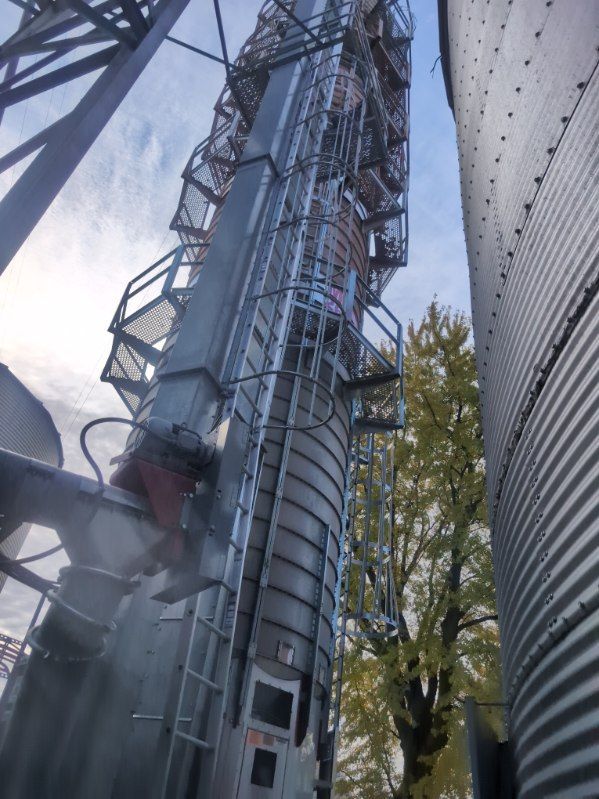
Equipment failures during harvest create costly delays when grain moisture levels require immediate drying to prevent spoilage. The electrical systems supporting grain handling equipment—augers that move grain from trucks to bins, conveyors that transfer grain between storage locations, and dryers that reduce moisture content—must deliver consistent power during the weeks when these systems run nearly continuously. Cornerstone Electrical Services, LLC installs and services the wiring, disconnects, and controls that keep grain systems operational in Fond du Lac, Wisconsin. The work involves running heavy-gauge circuits to high-draw motors, installing safety disconnects that allow equipment to be serviced without de-energizing the entire system, and ensuring the electrical service can handle simultaneous operation of multiple grain-handling components without voltage sag or breaker trips.
Grain systems present specific electrical challenges: motors that draw high startup current, equipment located outdoors or in dusty bin environments, and safety requirements that demand proper grounding and disconnect placement. Each component requires appropriately sized wiring based on motor horsepower and distance from the power source, with particular attention to voltage drop that can reduce motor performance and shorten equipment life.
Request a detailed estimate for electrical setup based on your grain handling equipment specifications and site layout.
What Grain System Electrical Work Involves
Setting up a grain system begins with reviewing equipment nameplates to determine each motor's voltage, amperage, and horsepower, then calculating wire size and breaker ratings that provide adequate power while meeting safety code requirements. Disconnects are installed within sight of each motor so equipment can be safely de-energized during maintenance or when clearing jams, and wiring is routed using methods that protect against physical damage from grain, equipment movement, and weather exposure. Control panels for automated systems are mounted in protected locations with clear labeling for each circuit and component.
Once the system is running, augers and conveyors start reliably without tripping breakers or struggling to reach operating speed. Dryers maintain consistent heat and airflow throughout the drying cycle rather than cycling on and off due to electrical supply issues, and you can operate multiple pieces of equipment simultaneously during harvest without experiencing power interruptions. Motors run cooler and quieter because they're receiving proper voltage, which reduces wear and extends equipment service life.
The installation accounts for grain dust, which is both conductive and combustible, requiring sealed enclosures for electrical components and conduit for wiring rather than exposed cable. Grounding is particularly important in grain environments where static electricity buildup creates explosion risks, so every metal component is bonded to a proper grounding system. These details matter more in grain facilities than in other agricultural settings due to the specific hazards grain dust presents.
Grain system electrical work involves specialized requirements that differ from standard farm wiring, particularly regarding safety in environments where dust and high-power equipment are present.
Answers to Frequent Service Questions
What electrical capacity does a typical grain drying and handling system require?
A single large dryer may draw 60 to 100 amps or more, and augers or conveyors add another 20 to 40 amps depending on motor size. Farms running multiple systems simultaneously often require service upgrades or dedicated panels to handle the total load without affecting other farm operations.
How is wiring protected in outdoor grain handling locations?
Wiring is installed in conduit rated for wet locations and physical damage resistance, with junction boxes sealed against moisture and dust intrusion. Disconnects and control panels are mounted in weatherproof enclosures, and all connections are made with corrosion-resistant hardware suitable for outdoor agricultural use.
When should grain system electrical components be inspected?
Inspections are recommended before each harvest season to identify corrosion, loose connections, or damaged conduit that could cause failures during peak operation. Fond du Lac's winter conditions can cause moisture intrusion and freeze damage to electrical components, making pre-season checks particularly important.
Why do grain augers sometimes struggle to start or run slowly?
Undersized wire creates voltage drop that reduces the power available to the motor, causing slow starts and reduced performance. Long wire runs from the service panel to remote bin locations exacerbate this issue, making proper wire sizing critical for augers located far from the power source.
What safety considerations apply specifically to grain handling electrical systems?
Grain dust is both conductive and combustible, requiring sealed electrical components and proper grounding to prevent static buildup and potential ignition sources. Disconnects must be positioned so workers can de-energize equipment without entering bins or confined spaces, and all wiring must be protected against physical damage from grain movement and equipment operation.
Cornerstone Electrical Services, LLC works with grain system installations and upgrades throughout the Fond du Lac farming community. Contact our office to plan electrical work for new grain equipment or to service existing systems before harvest season begins.