
Visibility Designed for Daily Farm Operations
Barn lighting systems in Fond du Lac for dairy and livestock facilities requiring durable, efficient illumination
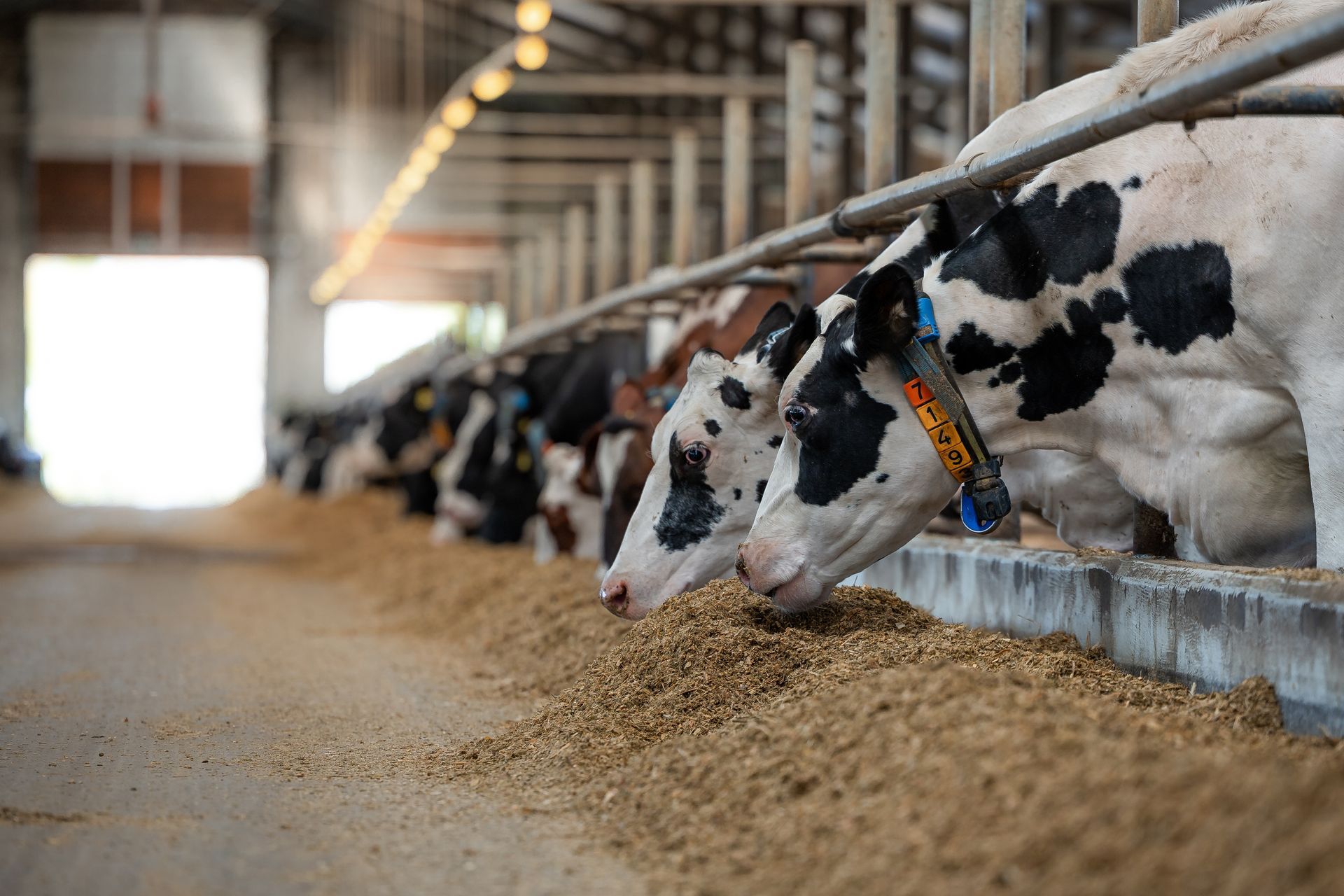
Insufficient lighting in barns creates safety hazards during early morning milking, makes equipment maintenance difficult, and reduces productivity when tasks require detailed visibility. Cornerstone Electrical Services, LLC designs lighting layouts for barns, work areas, and livestock spaces in Fond du Lac, Wisconsin, installing fixtures that withstand dust, moisture, and the mechanical impact common in agricultural settings. You'll see consistent light levels across work zones, reduced shadows in stall areas, and fixtures mounted at heights that provide coverage without creating glare or dark spots where injuries or equipment problems go unnoticed.
Barn lighting serves distinct purposes depending on the zone: high-output fixtures over milking parlors and work areas where detailed tasks occur, lower-intensity lighting in resting zones to avoid disturbing livestock, and weatherproof fixtures near entries or outdoor equipment areas. Each zone requires appropriate fixture selection, circuit planning to prevent voltage drop over long runs, and secure mounting that keeps fixtures functional despite vibration from equipment and daily barn activity.
Arrange an on-site consultation to review fixture placement options based on your barn's current layout and usage patterns.
How Barn Lighting Addresses Operational Needs
A lighting installation begins with measuring the barn to determine fixture spacing that provides even illumination without over-lighting areas where livestock rest or under-lighting zones where detailed work occurs. Fixtures are selected based on their ingress protection rating, which indicates resistance to dust and water intrusion, and their ability to operate reliably in temperature extremes common in unheated or minimally heated barns. Wiring is routed overhead using methods that protect against physical damage and allow for future barn modifications without requiring complete rewiring.
After installation, work areas remain well-lit during early morning and evening hours without needing portable lights or working in shadows. Livestock are visible throughout the barn, making it easier to identify health issues or animals in distress quickly. Fixtures continue operating despite dust accumulation and temperature swings, and bulb or LED replacements are straightforward because fixtures are mounted accessibly rather than in locations requiring ladders or special equipment.
LED fixtures are often used in barn retrofits because they produce more light per watt than older fluorescent or incandescent options, reducing energy costs while improving visibility. However, LED performance varies significantly by quality, and cheaper fixtures may flicker, fail prematurely in cold temperatures, or produce harsh light that causes livestock stress. Proper fixture selection balances upfront cost with long-term reliability and light quality suited to agricultural environments.
Lighting upgrades involve decisions about fixture types, energy use, and how the system integrates with existing barn electrical infrastructure.
What Property Owners Usually Ask
What makes a fixture suitable for barn environments?
Fixtures need sealed housings rated for wet or damp locations to prevent moisture and dust from entering the electrical components. Impact-resistant lenses or guards protect against damage from equipment or thrown objects, and mounting hardware must stay secure despite vibration.
How does fixture placement affect light coverage in a barn?
Fixtures spaced too far apart create dark zones between pools of light, while placement too close wastes energy and creates glare. Proper spacing depends on fixture output, mounting height, and the tasks performed in each area, with higher-output fixtures spaced farther apart in open work zones and lower-output fixtures used in resting areas.
When should barn lighting be upgraded rather than repaired?
If existing fixtures require frequent bulb replacements, produce uneven light, or lack the output needed for safe operations, upgrading to modern LED fixtures typically reduces maintenance and energy costs while improving visibility. Older wiring that shows signs of corrosion or damage should be replaced during the upgrade to prevent future failures.
Why do some LED fixtures fail quickly in barns?
Low-quality LEDs lack adequate heat management or are not rated for the temperature ranges common in Wisconsin barns, where winter temperatures can drop well below freezing and summer heat builds under metal roofs. Fixtures designed for agricultural use include thermal management and are tested for performance across a wider temperature range.
What wiring considerations apply to large barn lighting systems?
Long circuit runs require larger wire sizes to prevent voltage drop that would dim fixtures at the far end of the barn. Circuits are divided into zones so that a single failure or breaker trip doesn't leave the entire barn dark, and switches are positioned conveniently near entry points for practical daily use.
Cornerstone Electrical Services, LLC tailors barn lighting layouts to match how you use your space, whether you're working with a new build or upgrading an existing facility. Schedule a consultation to discuss your barn lighting requirements and receive a project estimate.